
Reference video analysis
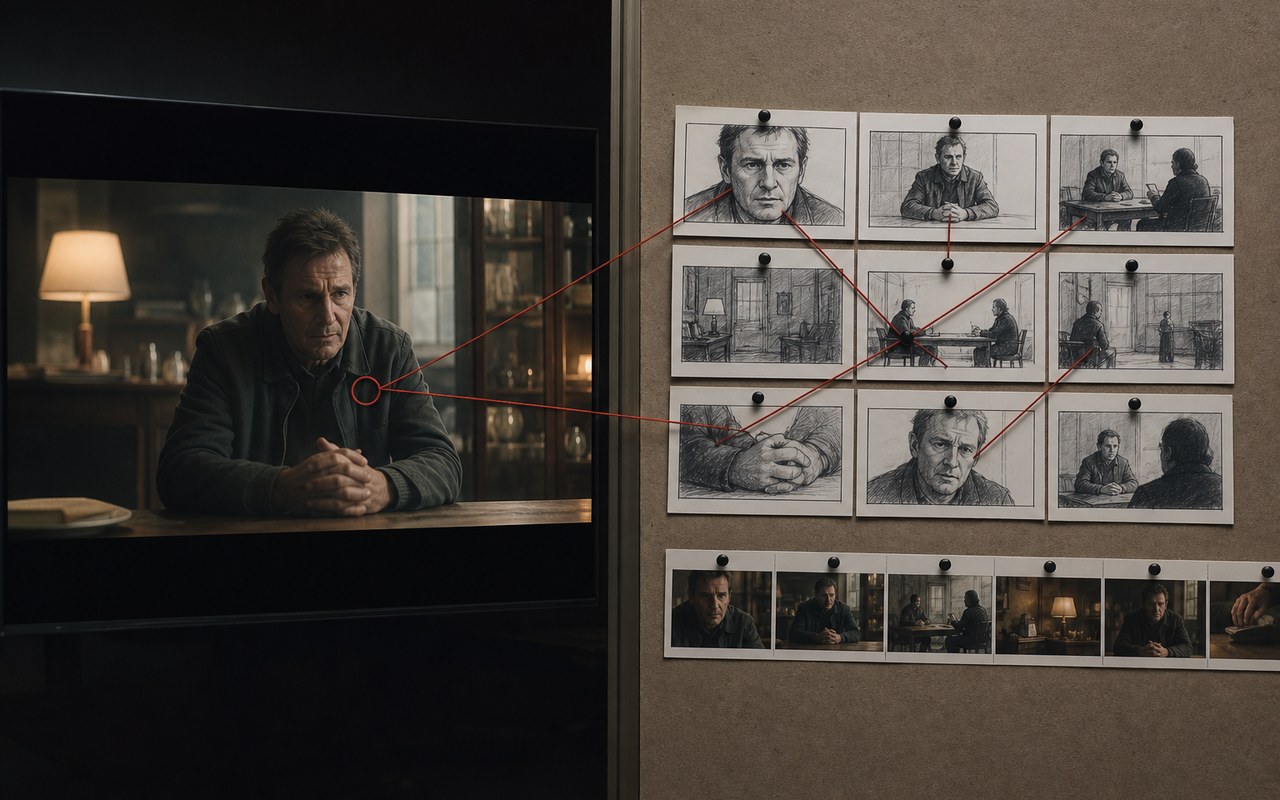
Break a reference into its opening, progression, shot relationships and rhythm. Understand how it communicates before adapting the structure to your own footage.
Where this capability fits
Separate subject matter from structure. An opening pattern may transfer, while the original claims and people should not be copied into your story.
Review shot scale, duration, caption placement and sound changes. Focus on choices that support the narrative rather than surface styling alone.
Translate the analysis into a practical shot list. Identify available footage and missing shots instead of forcing unrelated material into the reference structure.
Start with a clear process
- 01
Choose a reference you are allowed to use and identify what you want to learn.
- 02
Map structure, shots and rhythm, separating reusable methods from source-specific content.
- 03
Rewrite the plan around your own subject and footage, then review continuity.
Describe what you need
Use this as a starting point. Adapt the assets, audience and goal, then review the result.
Analyze the opening, progression and ending. Extract structural techniques and adapt them to my course topic without reusing the original dialogue or characters.
Review before delivery
- Does the structure serve your own topic?
- Have source-specific claims and dialogue been replaced?
- Is there a practical plan for missing shots?
Questions, answered
Will the adaptation perform as well as the reference?
Structural analysis helps explain production choices. It does not guarantee views or conversions; topic, audience and distribution still matter.
How can I reuse the analysis?
Save suitable steps as an editing skill, noting required inputs and review points. Test the method with a different set of footage.
Explore related workflows

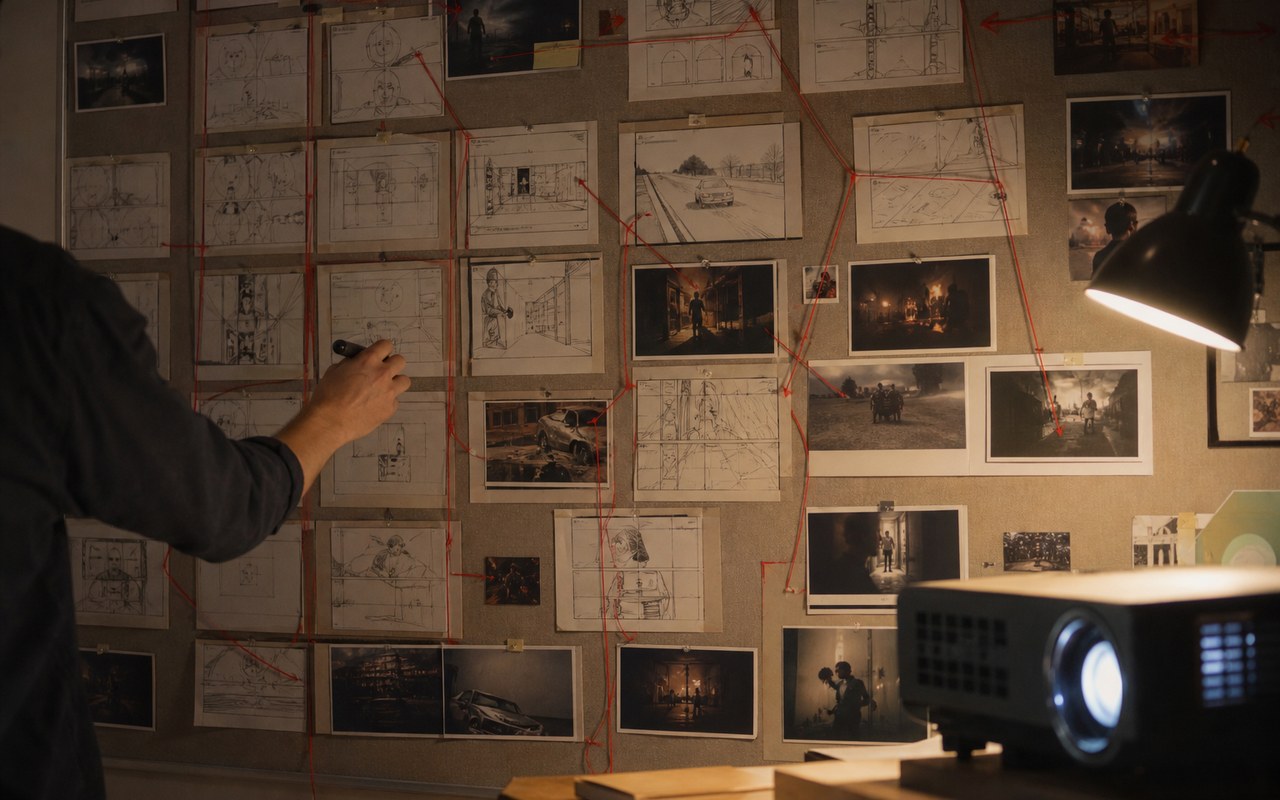

Bring your footage. Start with a clear goal.
Apply the workflow to your own content, review each step and refine the finished video.